

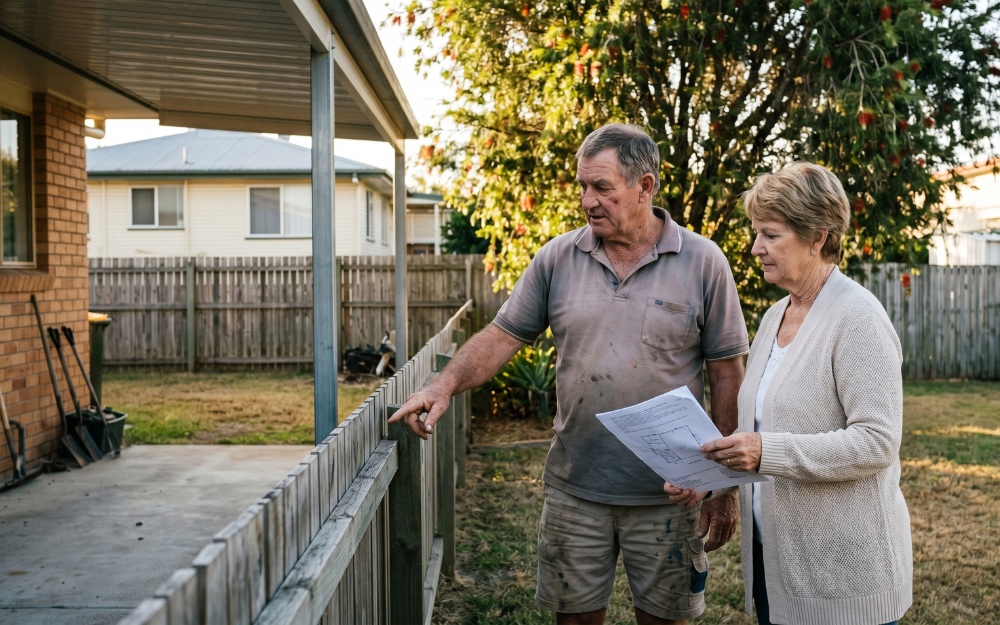
Buying a home in Queensland is an exciting step, but it doesn’t always go exactly to plan. Even after settlement, unexpected issues can sometimes surface—like unapproved renovations, unpaid council rates, or a boundary disagreement with the neighbours. These are the kinds of situations where title insurance may provide an extra layer of protection.
In this guide, we’ll explain what title insurance is, how it works in Queensland, the risks it covers, and the gaps it won’t fill. We’ll also look at when buyers and owners tend to consider it.
What Is Title Insurance?
Title insurance is a non-compulsory one-off insurance policy designed to protect property buyers and owners from certain unknown risks connected to the legal ownership of land. Unlike home and contents insurance, which covers physical damage, title insurance focuses on issues with the title (the legal ownership record) or hidden matters that may affect your property rights.
You pay a single premium at the time of purchase or later if you already own the property, and the coverage generally lasts as long as you own it.
Why Might Title Insurance Matter in Queensland?
Queensland has its own system for property transactions, including a strong land titles registry. While the system is designed to provide security, it isn’t perfect. Some problems may still slip through the cracks, especially when they aren’t apparent before settlement.
For example, a property search might not reveal that the previous owner carried out unapproved building work or that a neighbour’s shed encroaches over the boundary line. Resolving these issues can be stressful and costly — and this is where title insurance can prove important.
What Does Title Insurance Cover?
Title insurance typically covers a range of risks that are otherwise difficult to predict or prevent. Some of the main areas include:
- Illegal or Unapproved Building Works
If a previous owner carried out building work without proper council approval — e.g., adding a deck, carport, or extension — you could inherit the problem. Council could order you to remove or alter the structure, and the cost of complying can run into the tens of thousands. Title insurance may cover the cost of rectifying these issues.
- Boundary or Survey Issues
Boundary disputes can arise when a neighbour’s fence, shed, or driveway encroaches onto your land, or vice versa. These disputes can be emotionally draining and expensive to resolve. Title insurance can help cover legal costs or even physical adjustments needed to resolve boundary problems.
- Outstanding Rates or Charges
In a standard Queensland conveyancing transaction, council rates and other property outgoings are adjusted at settlement. This means the seller pays up to and including the settlement date, and the buyer takes responsibility from the day after settlement.
Land tax, however, works a little differently. Under the Land Tax Act 2010 (Qld), land tax liability is based on who owns the property at midnight on 30 June each year. Because the Queensland Revenue Office often issues land tax assessments later in the year, the exact amount owing may not be known when the property is sold.
If land tax is unpaid, it becomes a statutory charge on the land, meaning it stays attached to the property until it’s cleared. To protect both parties, it’s standard practice in Queensland conveyancing to order a land tax search or clearance certificate and adjust for any assessed land tax at settlement. This ensures the buyer doesn’t inherit the seller’s debt.
For extra peace of mind, title insurance can act as a safety net. If an undisclosed land tax liability later surfaces despite proper searches, the policy may cover the shortfall—subject to its terms and conditions.
- Fraud or Forgery
In rare but serious cases, fraud can affect land titles — for instance, if someone forges documents to transfer ownership of a property. While the Queensland Titles Registry has protections in place, title insurance may cover certain financial losses if you are affected.
- Unregistered or Unknown Easements
An easement gives another party rights over part of your land, such as for access or utilities. However, not all easements are properly registered. If an unregistered easement affects your property and causes a loss, title insurance may step in.
- Access and Zoning Problems
Some buyers discover too late that their land doesn’t have legal access, or that zoning rules restrict its use in unexpected ways. Title insurance may help cover losses linked to these hidden restrictions.
What Isn’t Covered
Title insurance is not a catch-all safety net. Common exclusions include:
- Known defects: If you are already aware of an issue before taking out the policy, it won’t be covered.
- Environmental issues: Problems like soil contamination or flood risk are outside its scope.
- Normal maintenance: Title insurance won’t pay for routine repairs or property upkeep.
- Development approvals: If you plan future renovations or development, the policy won’t guarantee that council will approve them.
In short, it protects against hidden and unknown risks — not issues you can reasonably identify and plan for.
The Cost of Title Insurance
The premium for title insurance is a one-off payment made when you buy a property or later if you are already an owner. The cost depends on the purchase price of the property but is generally modest compared to the value of the property itself. For most buyers, it falls somewhere between a few hundred and a couple of thousand dollars.
Because the policy lasts for as long as you own the property, some buyers find value in the peace of mind it offers, even if they never need to make a claim.
When Do Buyers Consider Title Insurance?
Not every Queensland buyer chooses title insurance, but it often comes up in situations like these:
- Older properties: Homes built decades ago may have undocumented alterations.
- Rural or regional land: Boundary or access issues are more common outside city centres.
- Quick settlements: When there isn’t much time for detailed searches, title insurance can provide some reassurance.
- Investor purchases: Investors who don’t want unexpected costs eating into returns may see value in extra protection.
How Title Insurance Fits Into the Queensland Property System
Queensland’s Torrens Title system and Land Title Act 1994 (Qld) provide robust protections for property buyers, backed by standard conveyancing searches and—from 1 August 2025—the mandatory seller disclosure scheme under the Property Law Act 2023 (Qld).
Under this scheme, sellers must provide a completed Form 2 disclosure statement and prescribed certificates—including a title search, survey plan, planning and building notices, and (where applicable) a body corporate certificate—before a buyer signs the contract. The information must be true and accurate at the time it is given, and for many prescribed questions sellers are expected to obtain searches rather than rely on personal knowledge alone. It is a significant reform, but it does not capture everything: unapproved work that predates the six-year owner-builder window, involved a licensed builder, and left no council records may still come to light only after settlement.
Your conveyancing lawyer’s searches will still catch most issues before settlement, but no process is foolproof. Title insurance is best seen as an additional layer of protection — not a replacement for due diligence or disclosure. Where the Queensland property system’s safeguards end, title insurance picks up: it covers hidden or unknown risks that thorough searches, seller obligations, and the Torrens Title system’s own protections can all still miss.
Should You Take Out Title Insurance?
Whether title insurance is right for you depends on your circumstances, the property you are buying, and your risk tolerance. Some buyers see it as unnecessary in a system that already provides strong protections. Others find reassurance in knowing that if a hidden problem does arise, they won’t face the costs alone.
Key Takeaways
- Title insurance is a one-off policy that covers certain hidden property risks.
- It can help with issues like unapproved building work, boundary disputes, outstanding rates, fraud, and unknown easements.
- It won’t cover known defects, environmental risks, or normal maintenance.
- The cost depends on the property value but is generally modest relative to the purchase price.
- It is not a substitute for proper searches and legal advice but can provide peace of mind.
Final Word
Buying property in Queensland is a major investment, and while the legal system offers strong protections, no system is flawless. Title insurance may offer extra security against the unexpected, but it’s not essential for every buyer. By understanding what it covers and where its limits lie, you’ll be better placed to decide whether it deserves a place in your property journey.
If you have questions about this article or need conveyancing advice, our Strathpine Residential Conveyancing Lawyers are here to help. Get in touch today.